The forgotten Marketing Ps: number one – Price
19 March 2021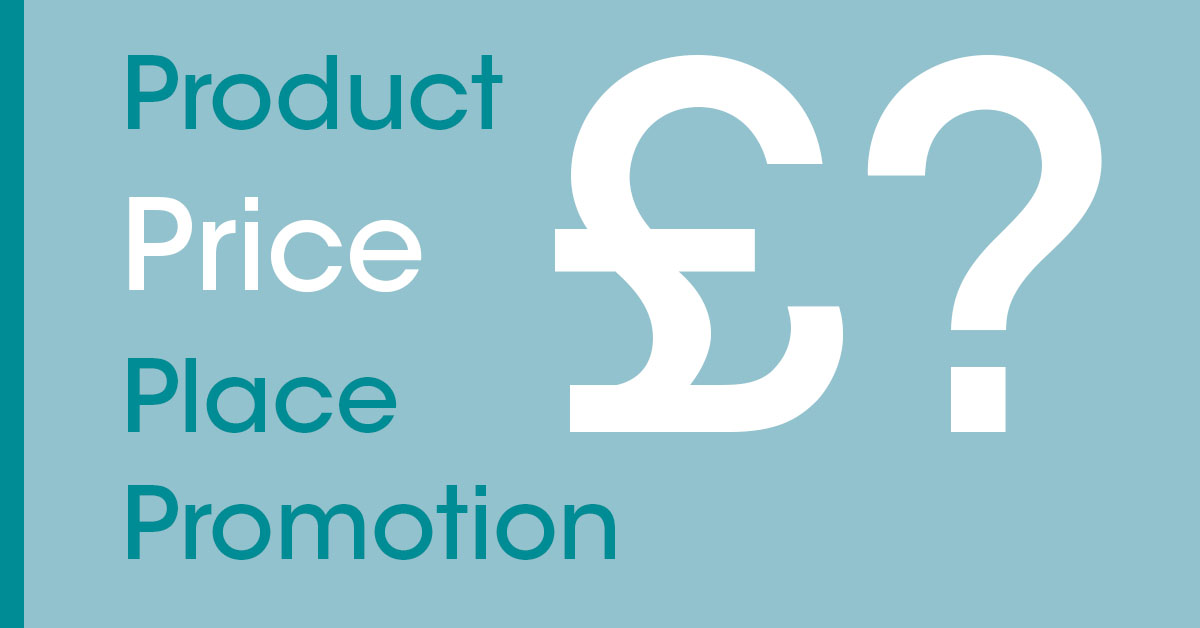
You may have heard of the 4Ps of marketing (the marketing mix) Product, Price, Place, and Promotion, but it’s only really the last P (Promotion, or marketing communications) that most people think of when they hear “Marketing”. What about the others? Here are some things to think about when it comes to Price.
There are a lot of things to think about when it comes to pricing. It may be as simple as offering your services for the going rate in your area; you may even be in a position where you make your money through sheer volume and “pile it high and sell it cheap”.
For most B2B technical or industrial businesses, though, it is a bit more complicated than that.
Price as a communicator
As this Marketing Week article points out, “The pricing ‘P’ is different to the other ‘Ps’ in the marketing mix because it isn’t about creating value for the customer, it is about reaping value for the organisation.” But you are communicating something about value.
At the end of the day, you want to sell at the price that the market will bear, but if you have got all the other Ps right, you can influence what that may be.
One example in my career was an engineering product that should have been selling like hotcakes. It only cost £30-50 but was an alternative to spending £1.5-5K machining a part, but they just weren’t selling. When we did some research to determine why we found that engineers thought it was too good to be true. It was already the product with the largest margin, so product managers wouldn’t budge. Still, our research showed that the product would have sold much better for £300-500 than it did for £30-50 because it would have inspired confidence that it really was the well-engineered product customers wanted. It would still have saved customers thousands of pounds.
This reminded me of something I had overheard in a chemist 20 years ago when I worked as an au pair in London. A young woman was training someone up, and she explained that her grandmother, who owned the shop, had discovered that the multipacks of cotton buds they stocked only sold if they split them up into single packs and priced them individually. This was despite the fact that they were pricing them the same as they had the multipacks that didn’t sell! This may be partly due to space being a premium in London (even back then), but I think it had more to do with what it said about the quality of the product.
Pricing lessons from the consumer world
You can see this in the consumer retail sector all the time. You will even find products on supermarket shelves that have come off the same production line in different packaging, at different price points.
I recently found a good example of price as a communicator in Boots.
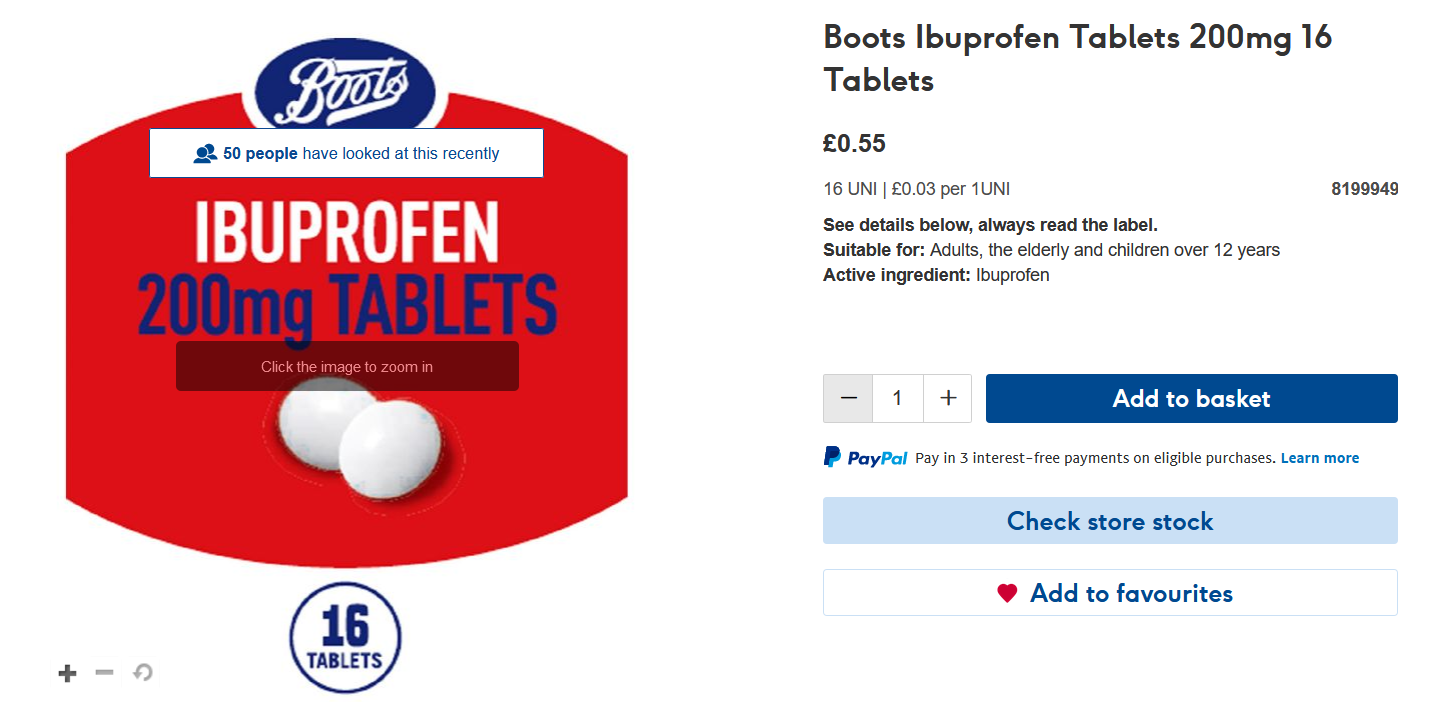
I was looking for ibuprofen, and I found many options, and even within Boots own-brand ibuprofen tablets, there were options. For example, this pack of 16 200mg tablets for 55p
And this pack of 16 200mg tablets for £1.69 – a difference of over £150%!
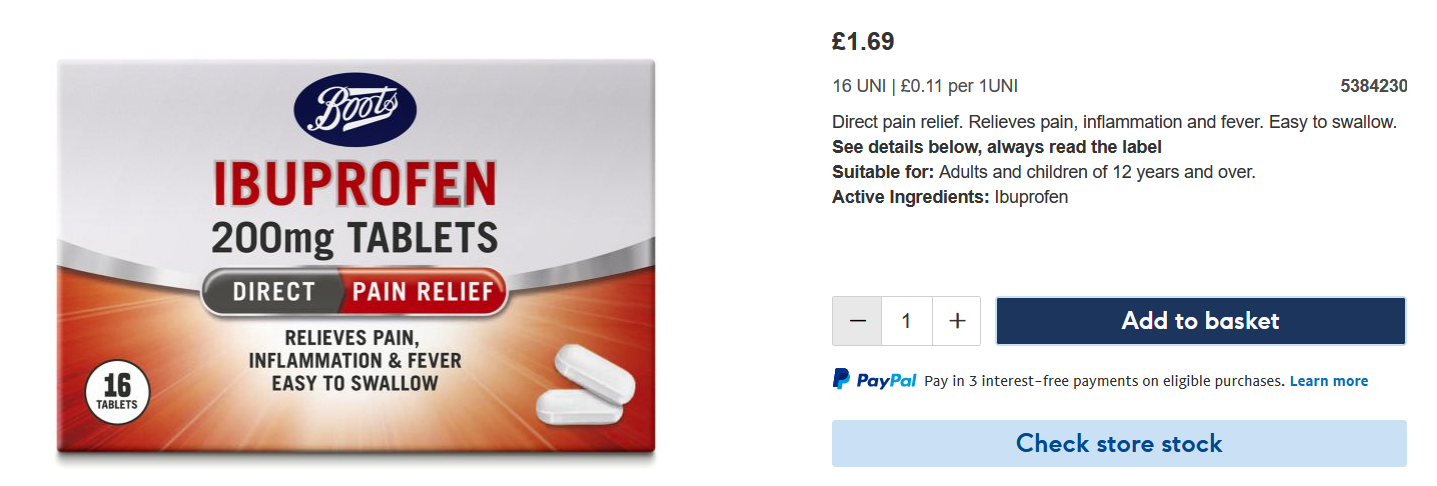
Now, these aren’t EXACTLY the same product – they are different shapes, for example, but they meet precisely the same need and cost very little to manufacture. The price, however, suggests that the second option is better quality, as does the packaging:
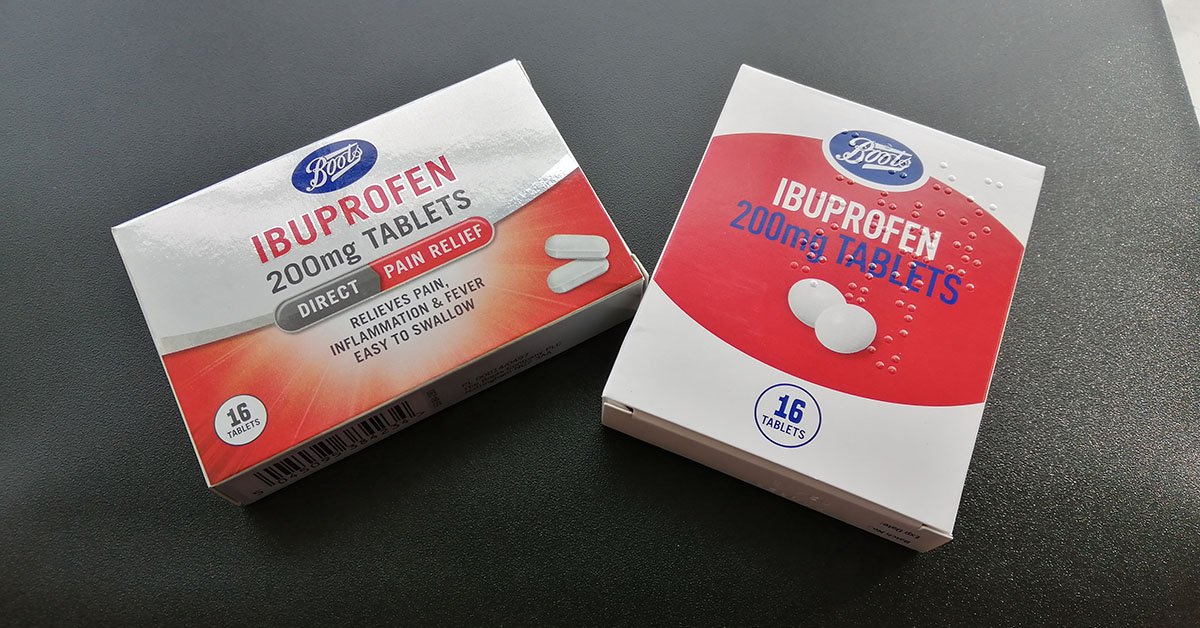
The packaging of the low-priced option is very plain, and the packaging of the more expensive version is shiny – further communicating the “difference” in quality.
Boots serves all types of consumers, including those who will always look for the cheapest product and those who prefer to spend more as it gives them more confidence in what they are buying. These products are almost identical, but they are aimed at different audiences.
Using these lessons in pricing for B2B
B2B businesses are not the same as large retailers, with sites on every high street that cater to everyone. They are not usually in a position to sell the same product (or as near as) to different customers for wildly different prices, but consider your market, what the value your product provides to the customer, and what the price you sell at communicates to them.
B2B services, on the other hand, are more likely to work like this. It may make sense to sell at a certain level to small to medium businesses, but raise your price when negotiating with large corporates. This demonstrates to large organisations that you can operate at that level. (It’s also worth thinking about different prices for large corporates because they tend to have 90-day payment terms messing up your cash-flow).
Think about your audience
In many cases, customers in B2B technical or industrial sectors can bear a relatively high price. If your products and services are of high quality and save customers time or money than the alternatives, they may be prepared to pay more. Some industries are more elastic than others (and external factors such as the current pandemic can impact that even more). For example, in construction, housing developers usually look for the lowest cost option available, making a value proposition a harder sell. Non-essential retailers and hospitality venues are suffering at the moment and might not even be able to afford your products at a higher cost.
Getting the balance right
Whatever pricing strategy you go for, it is a difficult balance to get right. You don’t want to lose too many sales by pricing yourself too high, but you want to make the maximum profit you can. You may even unknowingly actually be missing out on sales because you have priced your products too cheaply.
Further reading: This article in marketing week focusses on the consumer market, but it does an excellent job explaining how important it is to get the pricing balance right.
If you would like help with your pricing strategy, email me at samantha@labrakita.co.uk or call me on 07791 521439