I’m B2B, do I need to use social media?
5 July 2019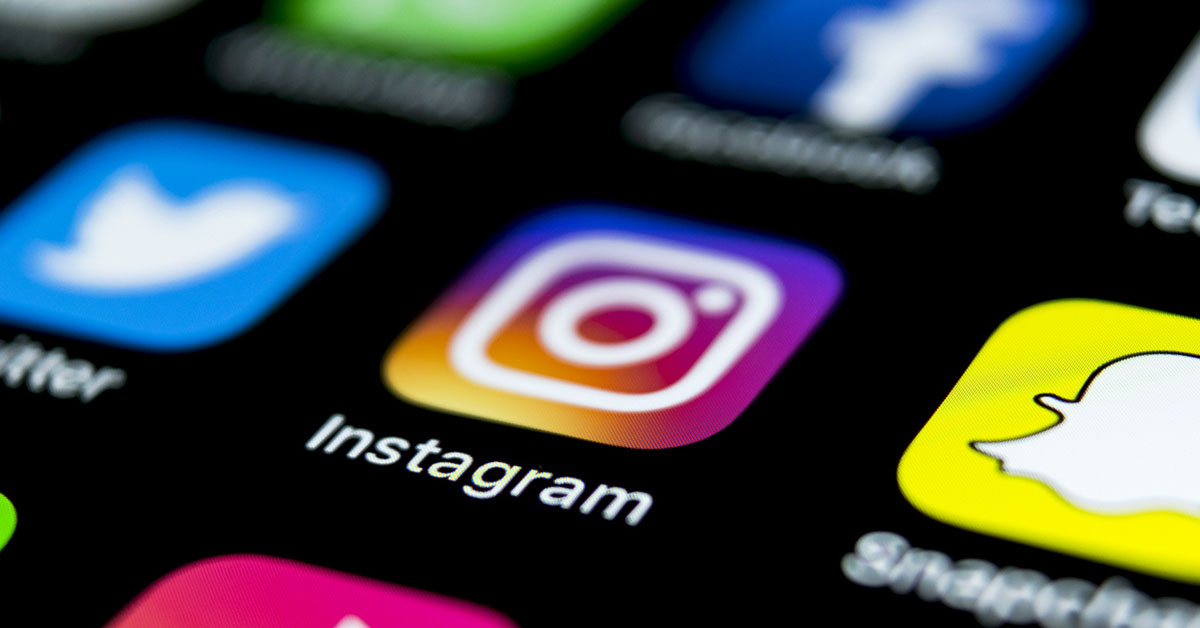
In a word, yes, even in B2B. Social media is an important communications tool to get your message out there, to engage with your audience and to improve the SEO of your main digital asset – your website. What social media you use, and how, depends who your audience is, what social media they are on and how they use it. Here are some of the social media options out there and my take on them in a B2B context.
LinkedIn:
For most of us in B2B, LinkedIn is a very useful tool because most of our customers are there. Bear in mind that it is used as more of a person to person communication tool and messages are more likely to be read if posts are from and shared by individuals in your business. It is a great place to share blogs, news and job posts and it is a fantastic sales tool.
Facebook:
Facebook probably isn’t going to be useful for targeting your customers if they are based in the UK. Here, Facebook is only considered a personal tool and people don’t want their work lives encroaching. However, if you have a large customer base in India for example, you may have to use Facebook because it is common there to interact with B2B companies on the platform. You may also need to consider Facebook from an employer branding perspective. Potential employees in the UK are interested in seeing brands on Facebook but they are probably less interested in how much money you have saved your customer and more interested in your volunteer day at the local school or your new state of the art break room facility so the messaging needs to be different.
Twitter:
Twitter has more B2B business use than Facebook in the UK, but it is still primarily used for personal interaction, again, you need to find out what the usage is like in your target markets. Another target audience to consider on Twitter is the media. You may have noticed that some of our major news outlets feature “twitter storms” masquerading as news but what you probably don’t realise is that genuine news stories (as well as go-to industry experts) are often discovered by journalists on twitter too. If you share your news and press releases on twitter and use it to position yourself as an expert in your field, you may well find that you get more press coverage than just emailing your press releases to a list of editors.
YouTube:
YouTube is not only a good way for many B2B companies to get in front of their customers, it is a useful tool for sharing and embedding videos. UK customers are more likely to find your video content via LinkedIn, twitter or even your own website but other countries, such as the US, have more B2B YouTube business use. Increasingly though, as other platforms are making it easier to share videos without having to use YouTube, it will probably become less relevant.
Instagram:
Instagram is unlikely to be of use to many B2B companies (although there are a tiny number of exceptions). It is very easy to upload and share images on all social media platforms and, unlike Instagram, your customers are already on them, so for the vast majority you are better concentrating your efforts on them.
China:
If your target audience is in China you are going to need to reach out using different channels. Although (unlike Facebook) LinkedIn hasn’t actually been blocked by the Chinese government, it only has 41 million users. That may sound like a lot but in a country with a population of 1.4 billion it isn’t that many. For comparison, the UK has around 20 million LinkedIn users and a population of 66 million. In China WeChat and Weibo are the main social media channels, you may find that you need a specialist digital media agency with experience in the Chinese Market.
Some B2B social media dos and don’ts:
Do:
- Make sure content is relevant and engaging. There is no point in posting for posting’s sake. If the content isn’t of interest to your target audience then they won’t share, like or comment and they certainly aren’t going to look at your website or contact you.
- Link to your website whenever you post your own content. Your website is your most important digital asset, by adding a link to each post not only are you inviting people to look at it, you are helping to improve your SEO (search engine optimisation).
- Respond to comments. Social media is a two-way communications tool. If you get comments on your posts or responses to your tweets, make sure that you reply in a timely fashion to maximise results.
Don’t
- Delete negative comments. Unless a comment is offensive do not delete it. Instead, respond to legitimate complaints and resolve the issue. Not only is the customer going to be more satisfied than if an issue never arose, other potential customers will see how good your customer service is. If a negative comment is unreasonable, respond in a short, unemotional way explaining why. You will often find that your customers will come to your defence before you have even had a chance to respond.
- Share unrelated content. Just because something is trending it does not mean that you should jump on the bandwagon. You may have seen some companies and individuals on LinkedIn sharing articles that have little to nothing to do with their work or their industry. If you share irrelevant content it will not only hit the wrong audience, your own content will get lost in the noise.
- Hijack a competitor’s content. I have seen LinkedIn users try and get sales by responding to customers under a competitor’s post or blog, either by answering a customer’s question or by outright claiming that their product is better. This rarely gets a sale and it gives you a bad reputation.
If you need help setting up or managing your social media contact me for a chat on 07791 521439 or email me at samantha@labrakita.co.uk.